

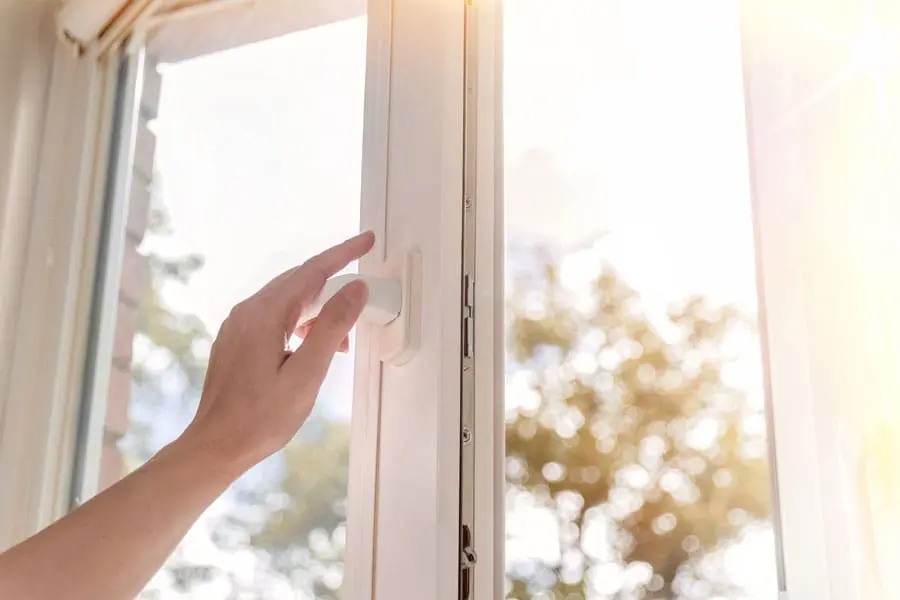
QFORT products come with different types of glass to increase thermal and acoustic insulation, provide comfort and energy savings.
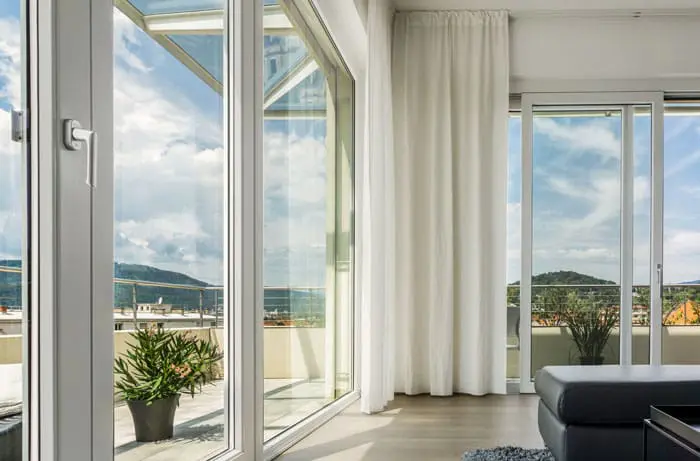
LowE ExtraClear Glass
LowE ExtraClear glass redefines the standard for light transmission, achieving a maximum amount of natural light. Thanks to its highly transparent nature, it improves light transmission and is ideal for living spaces that require as much light as possible, while achieving a high energy efficiency.

SuperLowE Glass
SuperLowE glass features super low emissivity, helping to reduce heat loss during the cold season and improving the overall comfort of your home.
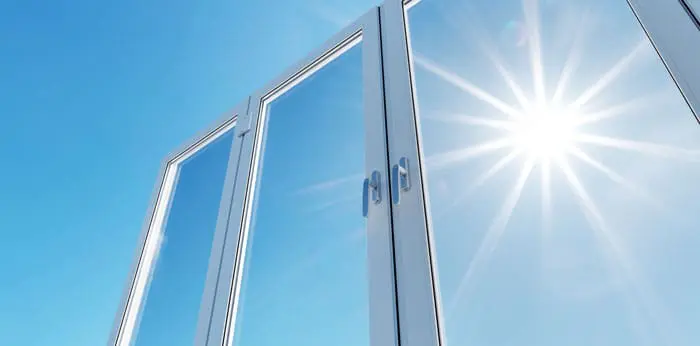
Planistar Sun Glass
Planistar Sun is a dual property glass: low emissivity with the ability to reflect long wavelength infrared radiation and solar control, reflecting a large portion of solar energy. In hot climates or for south and west facing window orientations, Planistar Sun is the optimal solution to achieve high energy efficiency by reducing overheating in summer, while providing increased thermal insulation in winter and giving a generous supply of natural light in all seasons.

Solar Control Glass
Solar Control Glass combines the advantages of SuperLowE glass with those of reflective glass: in summer it provides high solar protection by reducing the greenhouse effect inside the home, while in winter it retains its thermal insulation qualities.

Toughened Glass
Toughened glass is up to five times stronger than normal glass and is a legal UK requirement in certain use cases. When impacted, it breaks down into small, not sharp pieces, ensuring the safety of people. Compared to laminated glass, toughened glass is lighter in weight and has increased mechanical and thermal resistance, so it can be used for large surface areas.
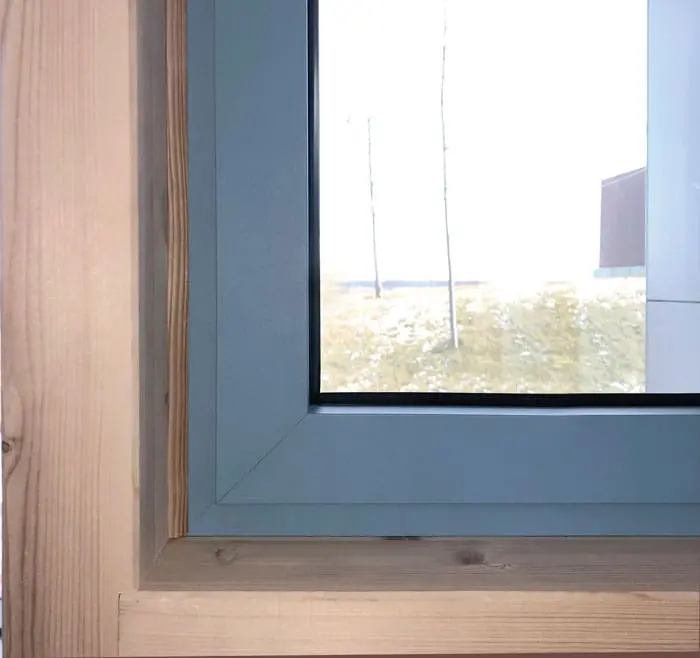
Laminated Glass
Laminated safety glass consists of two sheets of glass bonded by one or more layers of transparent resin. The main advantage of this type of glass is that it increases safety by reducing the risk of accidents (it does not allow shards to break through – similar to a car windscreen). In addition, laminated glass offers better sound insulation than other types of glass.
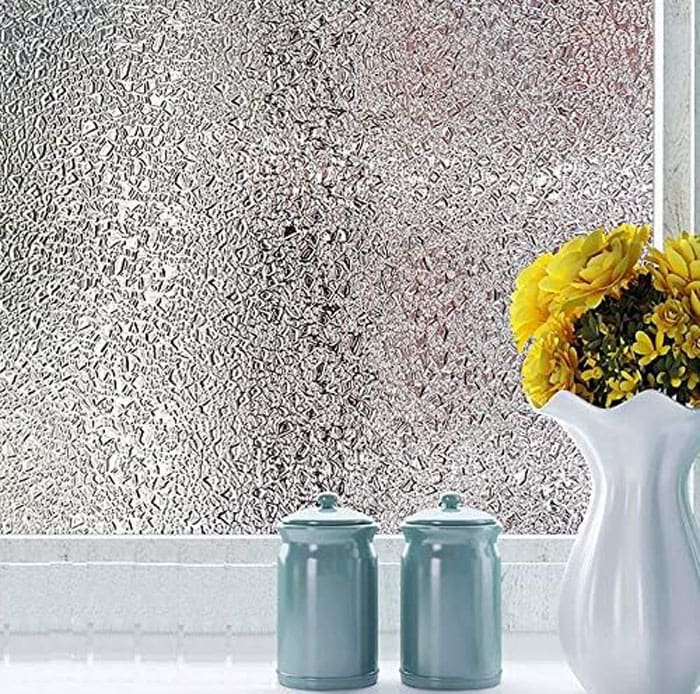
Obscured & Ornamental Glass
The main role of obscure glass is to preserve privacy.
Heat insulating glass – The super power of QFORT glass for the best thermal insulation
QFORT windows and doors increase comfort by keeping heat, cold or noise outside your home.
QFORT windows and doors increase comfort by keeping heat, cold or noise outside your home.
- Hermetically sealed. The space between the glass panes is filled with inert gas (Argon) using automated technology that hermetically seals and guarantees an Argon concentration of at least 90%.
- To increase thermal insulation performance, the spacer between the two panes of glass is bent at the corners ensuring a continous protection (no corner joint connectors are used).
- Improved sound insulation. Glass pane thickness varies between 4 and 10 mm.
- Warm spacers. The new generation of warm spacers, used in the production of glazing units, play a particularly important role in achieving energy performance in homes by reducing heat loss in winter or avoiding overheating in summer.
Warm spacers are made of thermoplastic materials, which are fitted around the perimeter between the glass panes of double or triple glazing.
They have a lower linear thermal conductivity than conventional aluminium spacers, thus reducing thermal bridges formed at the perimeter edges of the insulating glass.
Using warm spacers significantly reduces the cooling of window edges in the cold season or their overheating in the warm season. 80% of heat loss through windows occurs at window edges due to thermal bridges formed by the use of conventional aluminium spacers.
Due to the reduction in energy consumption, CO2 emissions are also automatically reduced, with positive effects on climate change.
The use of warm spacers helps to significantly reduce or even eliminate condensation on the surface of insulating glass inside the home, thereby reducing the risk of water infiltration and mould forming on the surface of windows, which can cause allergies or serious respiratory illness.